

STATE TIMES NEWS
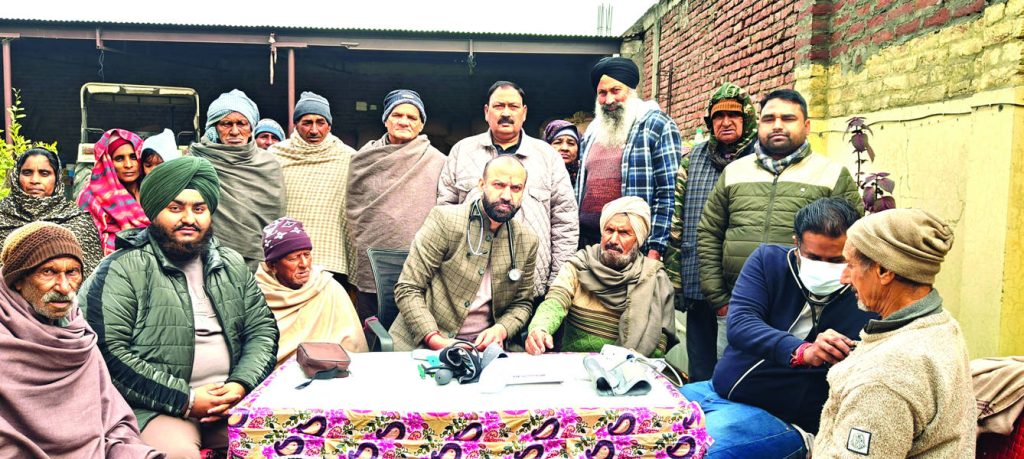
JAMMU: As the winter season settles over the Jammu region the characteristic fog and the increasingly frequent haze have moved from mere visual nuisances to silent but potent triggers for cardiovascular emergencies. Recognizing the urgency of this emerging public health challenges Head Department of Cardiology GMCH Jammu Dr Sushil Sharma held a day long cardiac awareness cum health check up camp at Panchayat Biaspur Parlah Block Suchetgarh, Jammu with special focus to educate people to prevent themselves to minimize the adverse impact of Fog and haze on individual health.
While interacting with the people Dr Sushil stated that Pay attention to the Air Quality Index (Air Quality Index, referred to as AQI) issued by the environmental protection department. The air quality is excellent when the AQI value range is between 0 and 50. Everyone can take part in the outdoor activities and enjoy a breath of fresh air. The air quality is good when the AQI value ranges from 51 to 100. Most people can take routine outdoor activities except for those allergic to some pollutants. It is mild air pollution when the AQI value range is between 101 and 150. Susceptible people need to reduce physical activities outdoors. It is moderately air pollution when the AQI value range is between 151 and 200. Susceptible population should minimize activities outdoors while the general population should reduce ones as possible as they can. It is severe air pollution when the AQI value range is between 201 and 300. Susceptible population should stop any activities outdoors while the general population should minimize ones. It is extremely serious air pollution when the AQI value is >300. All people should stay indoors except for those occupied in special jobs.
He elaborated that Fog and Haze is not merely a climatic phenomenon but a complex environmental stressor with profound implications for cardiovascular health. By trapping pollutants, reducing oxygen availability, and compounding cold-induced physiological strain, fog significantly increases the risk of angina, arrhythmias, heart failure exacerbations, and acute coronary events-especially in already vulnerable cardiac patients. Recognizing fog and haze as a silent cardiac trigger is essential for clinicians, policymakers, and communities alike.
Adopting preventive lifestyle measures, modifying exposure habits, ensuring strict control of cardiovascular risk factors, and promoting public awareness during foggy winter periods can substantially mitigate avoidable cardiac morbidity and mortality. The mist may appear serene, but its hidden burden on the heart reminds us that vigilance, preparedness, and proactive care are the true shields against its invisible dangers.
He added that Simple and effective measures seem to be sufficient to minimizing the adverse impact of the fog and haze on the individual’s health on a daily basis. Thus lifestyle changes, environmental protection, energy conservation, new and clean energy use are needed to curb the air pollution and reduce the occurrence of the fog and haze, which will for sure be beneficial to human health and development, he said.
Prominent members of the area Chaman Kundal, Rajeev Kumar, Darshan Kundal and Manish Kundal appreciated the efforts of Dr Sushil and his team for conducting cardiac awareness cum health Check up camp in their area and expressed deep seated gratitude and delivering crucial health care services to the rural community.
Others who were part of this camp include Dr Venkatesh Yellupu and Dr Aditya Sharma. Paramedics and volunteers include Rajkumar , Rajinder Singh, Rahul Vaid, Shubham Sharma, Mukesh Kumar, Mohd Altaf, Vikas Kumar, Gourav Sharma, Maneet Kumar, Jatin Bhasin, Gokul Sharma and Nirvair Singh Bali.
