

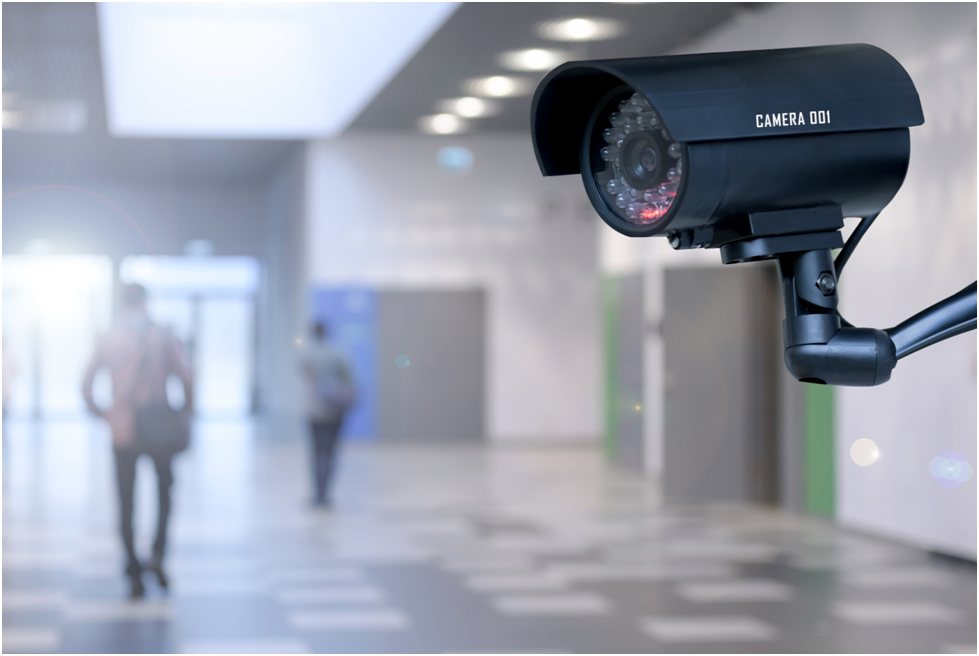
Enterprises operate in environments where safety, accountability, and control matter every day. Rising theft, workplace misconduct, and safety incidents demand stronger oversight. This is why CCTV cameras have become a core operational tool across industries. They help organisations monitor activity in real time and respond more quickly to risks. From factories to offices, surveillance creates discipline and awareness. It supports compliance, protects assets, and reassures employees. When used correctly, CCTV does more than record footage. It actively reduces operational risk and strengthens business continuity.
Why Operational Risk is Rising for Enterprises
Modern workplaces face complex risks. These include theft, vandalism, data loss, and employee misconduct. Large premises increase blind spots. Remote operations add further challenges. Enterprises must protect people, property, and processes simultaneously. CCTV provides constant visibility, even when managers are not present. This visibility discourages risky behaviour before it escalates.
Preventing Theft and Asset Loss
The presence of cameras alone reduces theft attempts. Employees and visitors become more cautious. Retail outlets experience lower shoplifting rates. Warehouses report fewer inventory discrepancies. Manufacturing units reduce material pilferage.
Key benefits include:
- Reduced internal theft
- Lower external intrusion attempts
- Clear evidence during investigations
Recorded footage supports internal audits and insurance claims. It removes ambiguity and speeds up resolution.
Improving Workplace Safety
Safety incidents can disrupt operations and cause legal exposure. CCTV helps monitor hazardous zones. These include machinery areas, chemical storage, and restricted zones. Supervisors can intervene quickly if unsafe behaviour is detected.
Cameras also help review incidents. Management can identify root causes and improve safety training. This reduces repeat accidents and downtime.
Deterring Workplace Harassment and Misconduct
CCTV plays a key role in employee protection. It discourages harassment, bullying, and inappropriate behaviour. Staff feel safer knowing the activity is monitored.
In case of complaints, footage provides objective evidence. This supports fair investigations and protects both employees and employers. It also reinforces organisational policies on conduct.
Enhancing Employee Productivity
Surveillance promotes accountability. Employees remain focused when they know processes are monitored. Time theft and unauthorised breaks are reduced.
CCTV also helps managers analyse workflows. Bottlenecks become visible. Teams can redesign layouts or processes based on actual movement patterns. This improves efficiency without increasing manpower.
Monitoring High Risk and Restricted Areas
Some zones require limited human presence. These include server rooms, power units, and heavy machinery sections. CCTV enables remote monitoring of such areas.
This reduces unnecessary exposure and prevents unauthorised access. It also supports compliance with safety regulations and internal controls.
Supporting Compliance and Legal Protection
Enterprises must comply with labour laws, safety norms, and security standards. CCTV helps demonstrate due diligence. Recorded footage supports legal defence against false claims.
It also helps resolve disputes quickly. Instead of relying on statements, organisations can refer to visual records. This reduces legal costs and reputational damage.
Reducing Dependence on Manual Security
Traditional guarding involves high recurring costs. CCTV systems offer continuous monitoring at a lower long-term cost. Many enterprises combine cameras with central monitoring.
This reduces the need for round-the-clock physical guards. It also eliminates human error caused by fatigue or distraction.
Remote Monitoring for Business Continuity
Modern CCTV systems allow remote access. Managers can monitor premises from anywhere. This is especially useful for multi-location enterprises.
During emergencies, quick visibility helps decision-making. Whether it is a break-in or equipment failure, response time improves.
Importance of Image Quality in Risk Reduction
Clarity matters when evidence is required. Blurry footage limits usefulness. Enterprises increasingly choose advanced systems for accurate identification.
A single HD CCTV camera can capture critical details like faces, number plates, and movements. This improves investigation outcomes and enforcement actions.
Integration with Enterprise Security Systems
CCTV systems integrate with alarms and access controls. When an alarm triggers, cameras focus on the affected zone. This coordinated response increases deterrence.
Integrated systems also support analytics. Motion detection and alerts reduce reliance on manual monitoring. This improves overall security posture.
CCTV in Different Enterprise Environments
Manufacturing Units
- Monitor production lines
- Prevent material loss
- Improve worker safety
Corporate Offices
- Control access points
- Prevent data theft
- Address misconduct
Retail and Warehousing
- Reduce shoplifting
- Track inventory movement
- Improve dispatch accuracy
Infrastructure and Utilities
- Secure critical assets
- Monitor remote locations
- Ensure uninterrupted operations
Choosing Reliable Surveillance Solutions
Enterprises need durable and scalable systems. Weather resistance, power efficiency, and storage reliability matter. This is why many organisations choose engineered solutions from trusted providers like Godrej Enterprises Group.
A product such as the Godrej EVE Pro Green 4MP Solar-Powered Camera supports outdoor monitoring with minimal power dependence. It suits remote and large-scale enterprise environments.
Long-Term Impact on Risk Management
CCTV transforms reactive security into proactive risk management. It creates a culture of accountability. It protects employees and assets. It reduces financial loss and legal exposure.
Over time, enterprises gain better control over operations. Decision-making improves with visual data. Trust builds among staff and stakeholders.
Conclusion
Operational risk is a reality every enterprise must manage daily. Smart surveillance reduces uncertainty and strengthens control. CCTV cameras act as silent guardians, protecting people, processes, and property at all times. They deter crime, support compliance, and improve productivity. When combined with high-quality systems and thoughtful placement, CCTV becomes a strategic asset. With solutions backed by experience and engineering, enterprises can operate with confidence. Investing in the right surveillance approach today ensures safer, more resilient operations tomorrow.
