
Silent killer of Sight: Dr Enakshi Bali warns against Glaucoma, stresses early detection to prevent irreversible blindness

- World Glaucoma Week: Dr Enakshi Bali describing Glaucoma causes, timely treatment
- Early diagnosis and timely treatment can save vision, says eye specialist Dr Enakshi
STATE TIMES NEWS
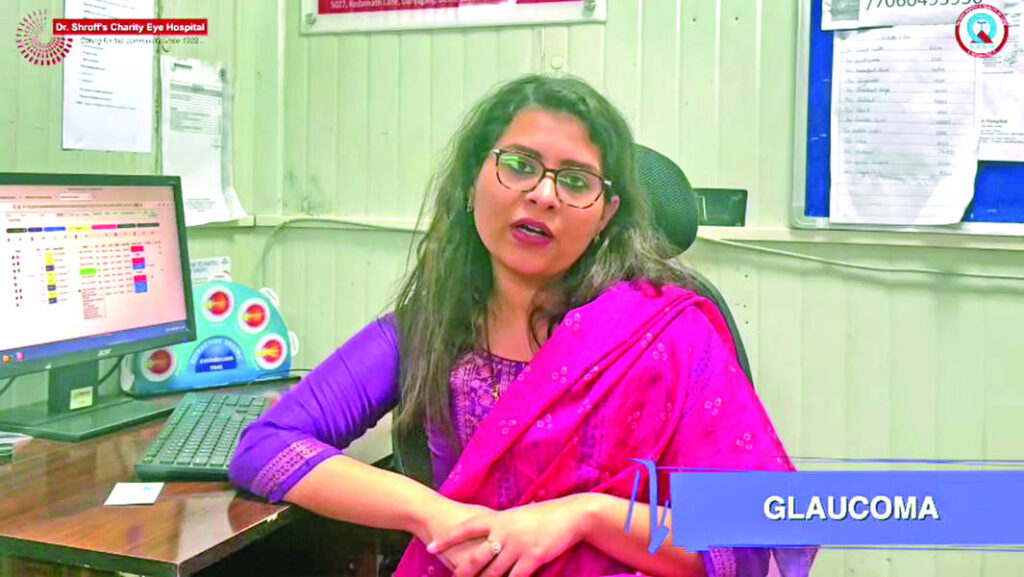
JAMMU: Often progressing silently without noticeable symptoms, Glaucoma has emerged as one of the leading causes of irreversible blindness across the world. Medical experts warn that the disease slowly damages the optic nerve and once vision is lost, it cannot be restored. Ophthalmologist Dr Enakshi Bali has stressed the urgent need for public awareness, timely screening and early treatment to combat this sight-threatening condition which is frequently diagnosed only at an advanced stage. “Glaucoma is often called the ‘silent killer of sight’ because patients usually do not experience any pain or early warning signs. By the time vision problems become noticeable, the damage to the optic nerve may already be severe,” Dr Bali said while highlighting the growing concern over rising glaucoma cases. A Disease That Slowly Steals Vision: Glaucoma is a group of eye disorders that damage the optic nerve – the vital link that carries visual information from the eye to the brain. The condition is commonly associated with increased pressure inside the eye, medically known as intraocular pressure. Under normal circumstances, a clear fluid called aqueous humor circulates inside the eye and drains through a natural channel.
However, when this drainage system becomes blocked or inefficient, the fluid accumulates and raises the pressure inside the eye. “This increased pressure gradually damages the optic nerve fibres. If untreated, it leads to progressive and permanent loss of vision,” Dr Bali explained. According to Dr Bali, several factors significantly increase the risk of developing glaucoma. These include age above 40 years, family history of glaucoma, diabetes and high blood pressure, long-term use of steroid medications, severe nearsightedness (high myopia), and previous eye injury or trauma. She emphasized that individuals with a family history of glaucoma should undergo regular eye screening as they face a much higher risk of developing the disease. “People often ignore routine eye examinations until they experience vision problems. Unfortunately, glaucoma does not wait for symptoms to appear,” she cautioned. Medical experts classify glaucoma into several types, the most common being open-angle glaucoma, which progresses slowly and usually without pain.
In such cases, patients gradually lose their peripheral vision while central vision remains unaffected until the later stages. Another serious form is angle-closure glaucoma, which occurs when the drainage angle in the eye suddenly becomes blocked. This leads to a rapid rise in eye pressure and may cause severe symptoms such as intense eye pain, headache, nausea, blurred vision and halos around lights. Doctors consider this condition a medical emergency. A rare form known as congenital glaucoma can also affect infants and young children due to developmental abnormalities in the eye.
Dr Enakshi Bali noted that the biggest challenge in treating glaucoma is the absence of clear early symptoms. In many cases, patients remain unaware of the disease for years. Some warning signs may include gradual loss of side vision, blurred vision, severe eye pain in acute cases, headache and nausea, and seeing rainbow-coloured halos around lights. “Unfortunately, many people dismiss these symptoms as fatigue or age-related vision issues. Such delays can result in permanent vision damage,” she said. Dr Enakshi Bali strongly emphasized that while glaucoma cannot be cured, its progression can be controlled effectively if detected early. “Vision lost due to glaucoma cannot be recovered, but timely treatment can prevent further damage and preserve the remaining vision,” she said. Doctors diagnose glaucoma through comprehensive eye examinations which include measuring eye pressure, examining the optic nerve, visual field testing and advanced imaging techniques. Regular screening becomes particularly important for individuals above 40 years of age and those with a family history of the disease.
Modern medical science offers several effective treatments to control glaucoma by lowering eye pressure. The most common treatment involves medicated eye drops, which help reduce fluid production or improve its drainage from the eye. In some cases, doctors recommend laser therapy to improve the eye’s drainage system. For advanced cases where medications and laser treatment are insufficient, surgical procedures may be required to create a new pathway for fluid drainage and relieve pressure on the optic nerve. Dr Enakshi Bali stressed that strict adherence to medication and regular follow-ups are essential for successful management of the disease.
Dr Enakshi Bali urged people to prioritize eye health and undergo periodic eye check-ups even if they have no vision complaints. “Glaucoma is preventable blindness. A simple eye examination can detect it early and save a person from lifelong darkness,” she said. She also called for stronger public awareness campaigns and community screening initiatives to educate people about the dangers of glaucoma and the importance of early detection. “Eyesight is one of the most precious gifts. Protecting it begins with awareness and timely medical care,” Dr Enakshi Bali concluded.
