

Mohammad Hanief
In Jammu and Kashmir, health is deeply intertwined with geography, climate, and tradition. From the cold winters of the Valley to the temperate plains of Jammu, daily life follows rhythms shaped by seasons, food availability, and physical activity patterns. Yet even in this naturally rich environment, diabetes and hypertension have emerged as silent but growing public health challenges. Once considered diseases of old age or urban excess, they are now increasingly diagnosed among people in their forties and thirties, including government employees, traders, homemakers, and even young professionals.
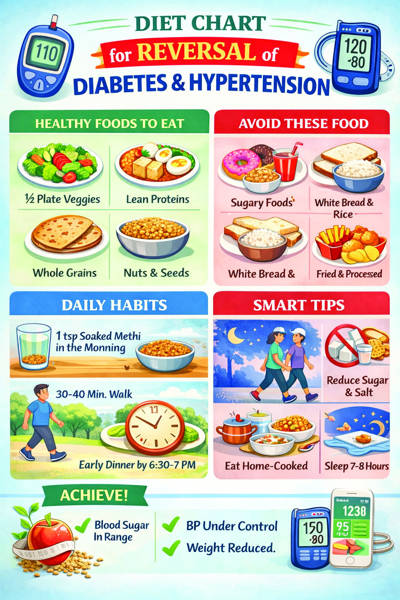
The reasons are complex but familiar. Mechanized transport has replaced walking, desk-based work has reduced physical movement, and traditional diets have gradually shifted toward refined grains, polished rice, packaged snacks, and sugary tea consumed multiple times a day. Long winters encourage inactivity, while harsh summers limit outdoor exercise. Added to this are psychosocial stressors unique to the region, including economic uncertainty and disrupted routines. Together, these factors have created fertile ground for metabolic diseases to develop quietly and progress steadily.
For many individuals in Jammu and Kashmir, a diagnosis of diabetes or hypertension brings fear of lifelong medication, dependency on healthcare facilities, and concern about complications affecting the heart, kidneys, eyes, and brain. However, a growing body of clinical experience and real-world observation offers a more hopeful perspective. For a significant proportion of people, particularly those in early and middle stages, these conditions can be reversed or brought into long-term remission through consistent, practical lifestyle changes adapted to local realities.
Reversal does not mean a sudden cure or rejection of medical care. It refers to restoring blood sugar and blood pressure to normal or near-normal levels and maintaining that control with minimal or no medication under proper medical supervision. This process does not rely on extreme diets or short-term enthusiasm. Instead, it depends on steady, repeatable habits that fit naturally into daily life. When supported correctly, the body often regains its ability to regulate itself, even after years of imbalance.
Type 2 diabetes primarily arises from insulin resistance, a condition in which body cells respond poorly to insulin, allowing glucose to accumulate in the bloodstream. Hypertension often develops alongside this process due to vascular stiffness, excess sodium intake, hormonal changes, and prolonged activation of stress responses. In Jammu and Kashmir, these conditions frequently coexist, particularly among individuals with central obesity and low physical activity during winter months. Improvements in metabolic health therefore tend to improve both conditions simultaneously, explaining why a unified lifestyle approach is so effective.
Food occupies a central place in Kashmiri and Dogra culture, and dietary habits strongly influence metabolic health. Traditional meals once emphasized whole grains, seasonal vegetables, legumes, and moderate portions. Over time, these have increasingly been replaced or diluted by refined flour products, excess rice consumption, fried snacks, and sweetened beverages. During colder months, heavy meals and frequent tea intake are common, often combined with reduced movement. These patterns contribute to repeated blood sugar spikes and gradual elevation of blood pressure.
Reversal does not require abandoning cultural foods, but it does require moderation and balance. When meals prioritize vegetables, adequate protein, and controlled portions of carbohydrates, glucose absorption becomes slower and more stable. Seasonal vegetables available across the region provide fiber that improves digestion, enhances insulin sensitivity, and supports appetite control. Fiber-rich foods are particularly important during winter, when physical activity naturally declines.
Protein intake deserves special attention. Many individuals consume insufficient protein while relying heavily on rice, bread, or bakery items for satiety. Adequate protein supports muscle mass, stabilizes blood sugar, and reduces cravings. Locally available sources such as lentils, rajma, curd, paneer, eggs, fish, and lean meats can be incorporated easily into daily meals without altering cultural identity. Balanced meals create a metabolic environment that supports healing rather than progression of disease.
Meal timing is another factor especially relevant in this region. During winter, late dinners are common due to shortened daylight hours and delayed routines. However, eating late keeps insulin levels elevated during the night, leading to higher fasting blood sugar levels and poorer blood pressure control in the morning. An earlier, lighter dinner allows the body to process glucose before sleep and promotes overnight metabolic recovery. Even a shift of one to two hours earlier can produce meaningful improvements over time.
Physical activity patterns in Jammu and Kashmir vary sharply by season. In summer and spring, walking, farming, and outdoor work are common, while winter often brings prolonged inactivity due to cold temperatures and snow. Yet movement remains one of the most powerful tools for reversal. Regular walking improves insulin sensitivity, lowers blood pressure, and enhances vascular health. Indoor movement, household activity, and short post-meal walks can compensate for limited outdoor exercise during colder months. Consistency matters far more than intensity, and even modest daily activity produces cumulative benefits.
Weight management plays a crucial role in metabolic recovery. Excess abdominal fat increases insulin resistance and places strain on the cardiovascular system. Studies show that losing even five to seven percent of body weight can significantly improve blood sugar and blood pressure levels. This degree of weight loss is achievable through gradual dietary adjustments and regular activity rather than restrictive diets. As fat decreases in the liver and pancreas, these organs regain functional capacity, accelerating recovery.
Sleep and stress have particular relevance in the region, where long winters, disrupted schedules, and psychosocial pressures are common. Inadequate sleep raises cortisol levels, which elevate both blood sugar and blood pressure. Maintaining a consistent sleep routine, even during seasonal changes, is essential for metabolic balance. Chronic stress further worsens vascular tone and glucose regulation. Simple daily practices that promote mental calmness can have measurable physiological benefits over time.
Many people in Jammu and Kashmir also rely on traditional remedies such as fenugreek seeds, bitter gourd, and herbal preparations. These may offer supportive benefits by improving insulin sensitivity and digestion, particularly in early stages. However, they are most effective when combined with balanced nutrition, physical activity, and regular monitoring. Natural remedies should complement, not replace, foundational lifestyle changes.
Monitoring progress reinforces success. Regular checks of fasting and post-meal blood sugar levels provide immediate feedback, while home blood pressure monitoring helps identify trends across seasons. Long-term markers such as HbA1c confirm whether improvements are sustained. Monitoring transforms abstract intentions into measurable outcomes and strengthens motivation.
Medication should be viewed as a supportive tool rather than a failure. Early use can protect organs while lifestyle changes take effect, and doses can often be reduced or discontinued safely as health improves. Reversal prioritizes long-term well-being and prevention of complications rather than avoidance of treatment.
What defines successful reversal in daily life is not perfection, but persistence. Simple habits adapted to local conditions, including home-cooked meals, regular movement despite weather challenges, early dinners, adequate sleep, and routine monitoring, form the foundation of lasting success. These practices may appear ordinary, yet when followed consistently, they restore balance and resilience.
Diabetes and hypertension are not inevitable outcomes of aging or geography. They are signals that the body requires correction and care. For many people in Jammu and Kashmir, especially those who act early and remain consistent, reversal is achievable and sustainable. With informed choices and daily commitment, everyday life itself becomes the treatment, allowing health, confidence, and quality of life to return steadily, season after season.
(The author is a senior analyst)
