

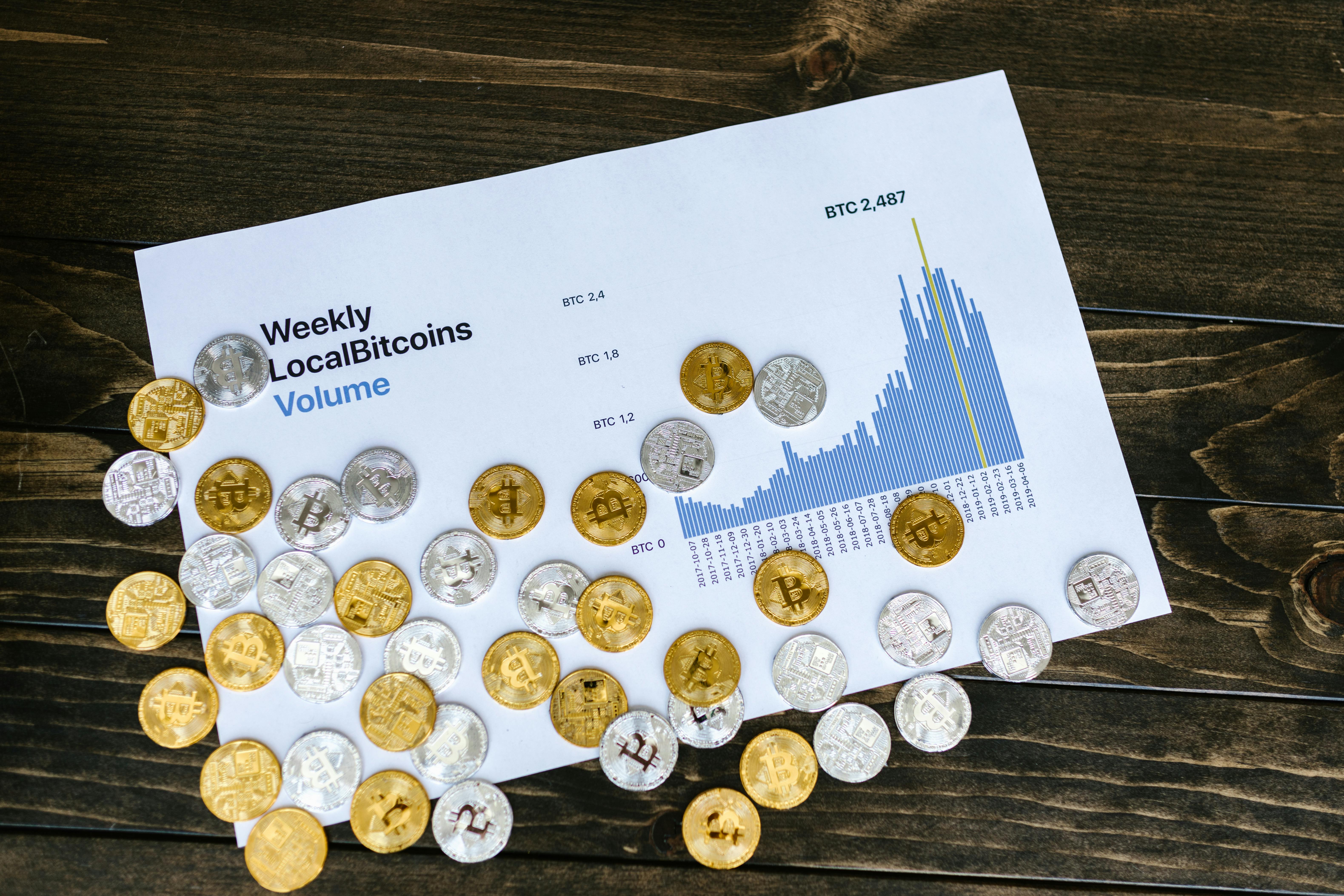
Peer-to-peer Bitcoin trading offers control and global reach, finding its place as India’s investment scene explodes with digital options and tax policies evolve. This article tells you everything you need to know.
Forget middlemen. Peer-to-peer (P2P) Bitcoin trading connects buyers and sellers directly, giving you control over your crypto transactions. This global marketplace operates in over 70 local currencies, offering millions of users a secure way to trade. With more than 800 payment options and 100+ currencies, you can set your own price, choose existing offers, or create your own ads for straightforward trading in an open market.
India’s Investment Landscape Transforms
India’s approach to money is undergoing a pretty radical shift. Saving isn’t just about bank deposits, gold, or property anymore. Digital tools have blown the doors wide open, making investing accessible like never before. Now, apps deliver mutual funds, stocks, ETFs, bonds, and digital gold straight to your phone. With over 750 million people online, the stage is set.
Young investors are jumping into direct stocks, owning slices of growing companies – unique participants in India’s stock markets exploded past 110 million after the pandemic. Fractional shares mean even small savings can buy into giants like Amazon. Mutual funds, particularly SIPs, are still core for steady growth, hitting record monthly inflows of ₹14,000 crore. People also want different options.
Lending sites connect lenders and borrowers, aiming for higher p2p bitcoin returns (though borrower reliability matters). Real estate crowdfunding lets groups pool smaller amounts, starting around ₹1 lakh, to invest in property. And crypto is undeniably part of the mix. India ranks top ten globally for usage, with over 100 million active users drawn to Bitcoin and others for their decentralized nature and growth potential (though their wild swings require strong nerves and know-how).
Bonds and ETFs offer calmer routes, while sustainable investing (ESG funds) strongly appeals to younger, ethically-minded investors. With all these choices, knowing your goals and how much risk you can stomach is crucial.
India’s Crypto Thaw and the Tax Tug-of-War
The atmosphere around crypto in India is undeniably changing. Once treated with deep wariness, digital currencies are now a regular topic when industry leaders meet policymakers. Officials seem more open to talking lately. Executives point to more frequent discussions happening monthly, sometimes weekly. Their main demand? Cutting taxes. The current setup hits crypto gains with a 30% tax and slaps a 1% fee on every trade. Designed to fight crime, it instead pushed over 90% of Indian crypto activity overseas.
That’s a huge shift. Industry figures believe a much smaller transaction tax, maybe 0.1%, could track activity without killing the local market. They feel the timing might be right. Big international exchanges are coming back, aiming for a piece of a market predicted to jump from $2.5 billion to over $15 billion by 2035.
Tax Relief Signals Broader Shifts
Against this backdrop of new investment avenues and crypto industry pressure, India’s latest budget delivered significant tax breaks, though focused. Finance Minister Nirmala Sitharaman pushed the Finance Bill 2025, calling its “unprecedented tax relief” a nod to the middle class. The headline change? A big jump in the income tax rebate limit, now ₹12 lakh yearly (effectively ₹12.75 lakh for salaried folks including their standard deduction). This is a pretty substantial move.
It means the government expects to miss out on about ₹1 lakh crore in revenue next year. Sitharaman called the projected 13.14% growth in personal income tax collections “realistic,” pointing to strong recent growth in these taxes. The budget also simplified customs duties to help manufacturers and exporters. But this broad tax cut for individuals stands apart from the heavy, specific taxes still weighing down cryptocurrency trades.
P2P Bitcoin’s Niche in the New Order
Yet this wide-ranging income tax cut highlights the different treatment crypto still gets, facing specific, heavy transaction taxes. It shows a government ready to change tax rules to help regular taxpayers, while the crypto world watches, hoping their taxes might be reconsidered next.
So where does Bitcoin P2P fit into India’s new financial scene? It serves a specific need. For those willing to navigate crypto’s high-risk, high-reward space, P2P provides a direct path. Its worldwide reach and flexible payment options help users manage the tricky business of getting money into crypto, especially under taxes that push trading offshore. Setting your own price appeals to informed traders. Is it right for all? Hardly. Crypto needs real understanding and a tolerance for volatility.
Obstacles Remain Amid Progress
But hurdles remain. The Reserve Bank of India (RBI), long the loudest skeptic, hasn’t dropped its guard. It still cautions about risks to economic stability, even if its tone has shifted from pure opposition to a watchful neutrality. Plenty of ordinary Indians also lag behind, wrongly thinking crypto is banned. Movement is real, yet solid rules and broad public trust? That journey is far from over, likely taking years.
And yet, in India’s burgeoning digital investment world – from tiny stock shares and SIPs to P2P loans and green funds – Bitcoin P2P has its own corner. This is a platform for direct, user-managed global trading. Its viability depends partly on how soon policymakers align crypto taxes with the more supportive model underpinning recent income tax reforms. Until then, it remains a viable option for anyone interested in digital assets and working within India’s evolving money landscape.
